
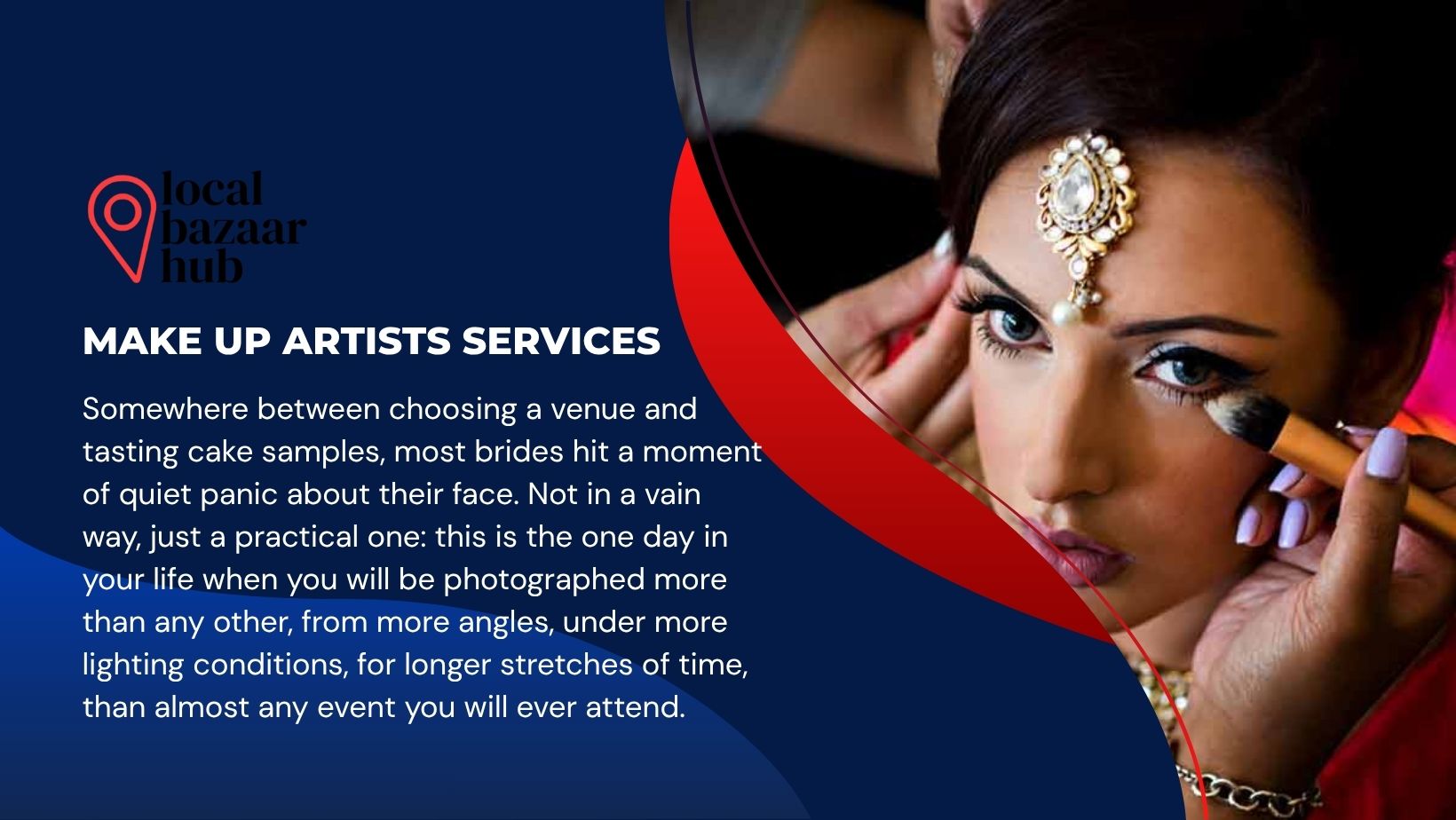
How to Choose the Right Bridal Makeup Artist for Your Wedding Day
Somewhere between choosing a venue and tasting cake samples, most brides hit a moment of quiet panic about their face. Not in a vain way, just a practical one: this is the one day in your life when you will be photographed more than any other, from more angles, under more lighting conditions, for longer stretches of time, than almost any event you will ever attend. A bridal makeup artist is not a luxury add-on. They are the person responsible for how you look in every photo your grandchildren will eventually flip through.
Finding the right one, though, is less straightforward than it sounds. Search results are crowded with generic listicles, Instagram portfolios can be misleading, and pricing varies so wildly between vendors that it is hard to know what “normal” even looks like. This guide walks through the entire process, from understanding what a bridal makeup artist actually does, to budgeting realistically, to the exact questions you should ask before handing over a deposit.
What Does a Bridal Makeup Artist Actually Do
A bridal makeup artist does far more than apply foundation and mascara. Their job includes understanding how makeup reads under different lighting (natural daylight ceremony versus a dim reception hall), how it holds up across a twelve-hour day that includes crying, hugging, dancing, and eating, and how it photographs in both flash and non-flash conditions. Many also coordinate timing with hair stylists and photographers so the whole morning-of schedule runs smoothly.
Most bridal makeup artists also work with the entire bridal party, not just the bride. That means managing multiple skin tones, multiple preferences, and a tight timeline, all while keeping the bride calm and on schedule. It is part technical skill, part logistics management, and part quiet reassurance on a morning that tends to run high on emotion.
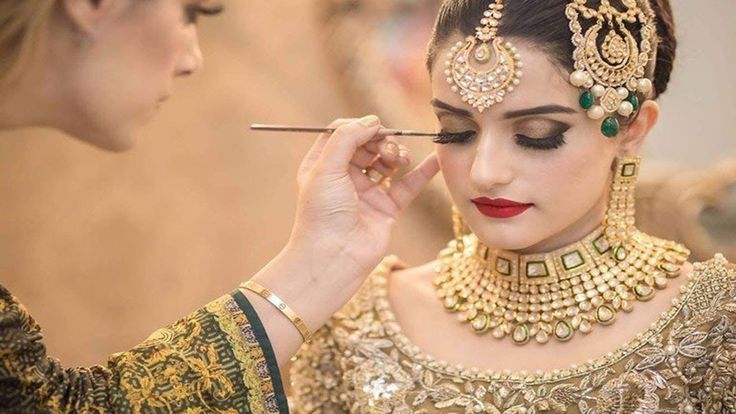
Why Hiring a Professional Wedding Makeup Artist Matters
Doing your own makeup or asking a friend to help might seem like an easy way to save money, but wedding photography is unforgiving. Cameras pick up texture, unevenness, and shine that the human eye barely notices in person. A professional wedding makeup artist knows how to build makeup in layers so it survives flash photography, high-definition video, and hours of wear without sliding or oxidizing.
There is also the emotional side. A good MUA has likely handled hundreds of nervous brides before you. They know how to keep a room calm, how to work efficiently when the schedule slips (it almost always does), and how to make you feel like yourself, just a more polished version of yourself, rather than a stranger in a mask of product.
How Much Does a Bridal Makeup Artist Cost
Pricing is one of the most common questions brides search for, and it is also one of the most poorly explained topics online. Bridal makeup pricing typically depends on a combination of factors rather than a flat rate.
Factors That Affect Bridal Makeup Pricing
- Experience level and demand of the artist
- Whether the service includes false lashes, skincare prep, or airbrush application
- Travel distance to your venue or getting-ready location
- Number of people in the bridal party being serviced
- Early-morning or holiday weekend surcharges
- Whether a trial session is included or billed separately
General Price Ranges to Expect
- Entry-level or newer artists: often the most budget-friendly, but request a portfolio review carefully
- Mid-range experienced artists: the most common booking tier for most weddings, balancing skill and price
- High-demand or celebrity-adjacent artists: premium pricing, often booked a year or more in advance
- Bridal party add-ons: usually priced per person and slightly lower than the bride’s own service
A good rule of thumb is to request an itemized quote rather than a single flat number, so you can see exactly what you are paying for and where you might trim costs without sacrificing quality.
Traditional vs Airbrush Bridal Makeup: Which Should You Choose
This is one of the most debated topics in bridal beauty, and the honest answer is that neither option is universally better. It depends on your skin, your venue, and your priorities.
Airbrush bridal makeup uses a fine mist applied through a small tool, which creates a lightweight, natural-looking finish that photographs beautifully in high-definition video. It tends to be more water-resistant and long-wearing, which makes it a popular choice for outdoor weddings, humid climates, or brides who tend to get warm easily. The trade-off is that airbrush can be less buildable for covering deeper discoloration or textured skin, and not every artist offers it.
Traditional makeup, applied with brushes and sponges, allows for more precise layering and coverage. It is often the better choice for brides with acne scarring, uneven texture, or those who simply prefer a more traditional, matte-to-natural finish. It can require more touch-ups over a long day, particularly in heat or humidity.
Many experienced wedding makeup artists actually use a hybrid approach, combining both techniques to get the best of each. When you meet with a potential artist, ask which method they recommend for your skin type and venue conditions rather than assuming one is automatically superior.
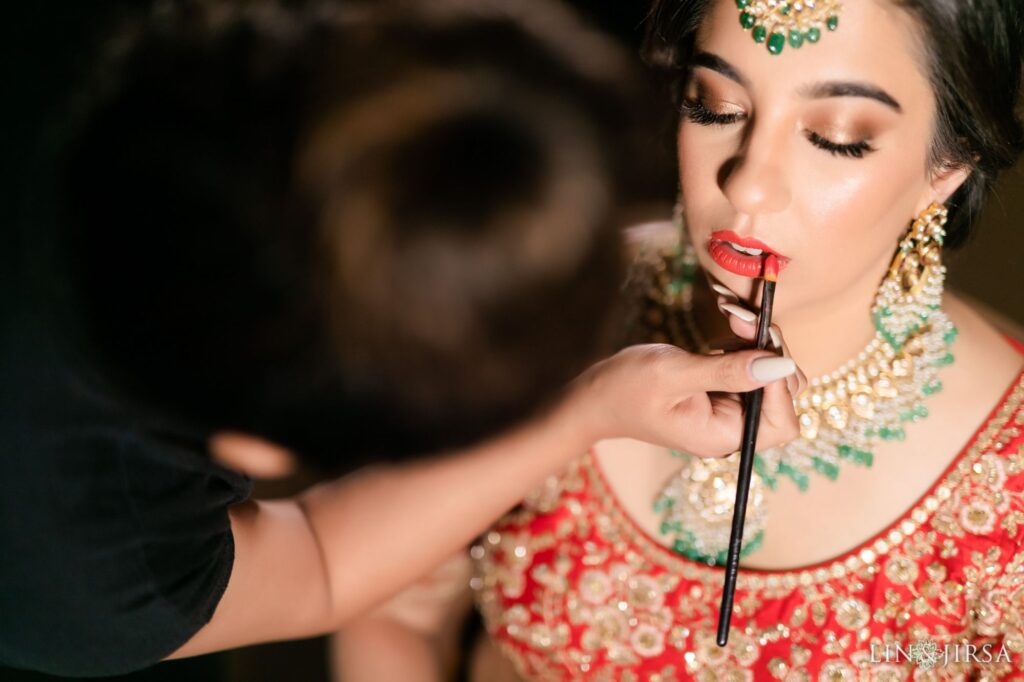
When to Book Your Bridal Makeup Artist
Popular bridal makeup artists, especially those with strong reviews, tend to book out six months to a year in advance, sometimes longer during peak wedding season (typically late spring through early fall). If your wedding falls on a weekend during peak season, start reaching out as soon as your date and venue are confirmed.
That said, do not panic if your wedding is only a few months away. Many talented artists keep some flexibility in their calendar, and weekday or off-season weddings often have far more availability. The key is to start your research early enough that you are not choosing out of desperation two weeks before your wedding.
How to Find and Vet a Bridal Makeup Artist Near You
Searching “bridal makeup artist near me” will return dozens of results, but not all of them are worth your time or money. A curated local directory can save hours of scrolling through inconsistent Instagram pages, but however you find candidates, vetting matters just as much as discovery.
Start by looking at full galleries rather than single highlight photos. Anyone can post one flattering picture; a consistent portfolio across different skin tones, ages, and lighting conditions tells you far more about actual skill and reliability.
Questions to Ask Before You Book
- How many years have you specifically been doing bridal makeup, not just makeup in general?
- Do you offer a trial session, and is it included in the package or billed separately?
- What products and brands do you typically use, and do you have options for sensitive skin?
- How do you handle touch-ups on the wedding day itself?
- What is your cancellation and rescheduling policy?
- Do you carry liability insurance, particularly if the venue requires it?
- Can you provide references or contact information from a recent bride?
Red Flags to Watch For
- Reluctance to provide a written contract or itemized pricing
- No trial availability at all, even for an additional fee
- Portfolio photos that appear heavily filtered or inconsistent in quality
- Vague or evasive answers about product hygiene and sanitation practices
- Pressure to pay the full amount immediately without a clear deposit structure
The Bridal Makeup Trial: Why You Should Never Skip It
If there is one piece of advice worth repeating, it is this: do not skip the trial. A bridal makeup trial is a full run-through of your wedding-day look, typically scheduled four to eight weeks before the wedding. It gives you and your artist a chance to test colors, coverage, and longevity before the day actually matters.
Trials are also your opportunity to communicate honestly. Bring reference photos, but also be specific about what you do not like. If you hate a heavy contour or feel uncomfortable with dramatic lashes, say so during the trial, not on the wedding morning when there is no time to fix it. Take photos in different lighting during the trial, including with flash, and if possible, wear the look for several hours to see how it settles and wears throughout the day.
What to Bring to Your Makeup Trial and Wedding Day
Preparation makes a noticeable difference in how your makeup looks and lasts. For both the trial and the wedding day itself, bring the following:
- Reference photos of looks you like, and just as importantly, looks you want to avoid
- Photos of your dress or a description of its neckline and color, since this affects tone choices
- Any skincare products you use regularly, especially if you have sensitivities or allergies
- A list of any skin concerns, such as rosacea, breakouts, or scarring, so the artist can plan coverage accordingly
- Information about your venue lighting if known, indoor, outdoor, tented, or a mix
Arriving with this information saves time and helps the artist tailor the look specifically to you rather than guessing.
Wedding Day Makeup Tips for Long-Lasting Results
Even the best application can fade without a bit of preparation on your end. A few simple habits go a long way toward keeping your look intact from morning ceremony to late-night dancing.
- Start skincare prep at least two to three weeks before the wedding, avoiding new products that could cause a reaction close to the date
- Stay hydrated in the days leading up to the wedding, since dehydrated skin affects how makeup sits
- Avoid heavy exfoliation or facials within 48 hours of the wedding
- Blot rather than wipe if touch-ups are needed during the day
- Ask your artist to pack a small touch-up kit, including blotting sheets, lip color, and setting spray, for you or a bridesmaid to carry
Makeup Artist for the Whole Bridal Party
Booking one artist for the entire bridal party, rather than having everyone show up separately done or undone, keeps the morning cohesive and far less stressful. It also tends to be more cost-effective per person than individual bookings elsewhere.
When booking for a group, confirm how many artists or assistants will be present, since one artist working alone through eight bridesmaids plus the bride and mothers can easily run into scheduling trouble. Ask for a realistic timeline broken down by person, and build in buffer time, because wedding mornings rarely run exactly on schedule.
Local vs Destination Wedding Makeup Artists
For destination weddings, you generally have two options: fly your chosen makeup artist to the location, or hire a local artist near the venue. Flying in your own artist guarantees consistency with your trial, but adds travel fees, accommodation costs, and logistical coordination.
Hiring locally is usually more affordable and can be a smart choice if you research carefully, since local artists already understand the venue’s lighting and climate conditions. If you go this route, try to schedule a video consultation beforehand and, if at all possible, a virtual or in-person trial, so you are not meeting your artist for the first time on the wedding morning itself.
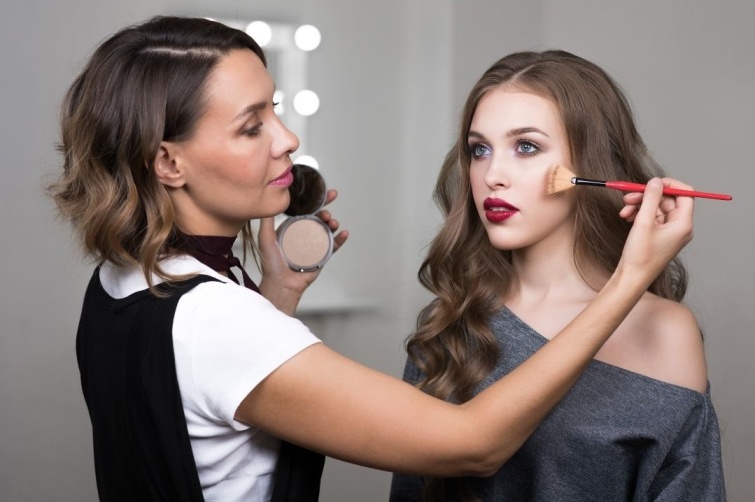
Seasonal and Climate Considerations for Bridal Makeup
Weather plays a bigger role in bridal makeup than most people expect, and it is worth discussing openly with your artist during the trial rather than assuming a single formula will work regardless of the season. A summer wedding in high humidity calls for a different approach than a winter ceremony in a dry, heated venue, and an experienced makeup artist will already have strategies for both.
For hot or humid conditions, ask about long-wear primers, oil-control powders, and setting sprays designed specifically to resist sweat and shine. Waterproof formulas for mascara and eyeliner are worth requesting if you expect to cry happy tears or dance for hours under warm lighting. For cooler, drier climates, the priority shifts toward hydration. Dry indoor heating during winter weddings can make skin flaky or make the foundation cling to dry patches, so extra moisturizing prep in the days leading up to the wedding, along with a hydrating primer, tends to produce a smoother finish.
Outdoor weddings introduce another layer of consideration entirely. Direct sunlight can wash out certain tones in photographs, while golden hour lighting tends to be flattering across almost every skin tone and finish. If your ceremony or portraits are scheduled outdoors, mention the approximate time of day to your artist so they can adjust warmth and intensity accordingly. None of this needs to complicate your planning, but bringing it up early means fewer surprises when you see your photos months later.
Conclusion
Choosing a bridal makeup artist is really about trust as much as talent. You are not just hiring someone to apply products; you are hiring someone who will be one of the closest people to you during one of the most emotional mornings of your life. Take the time to research thoroughly, ask direct questions, and schedule a trial before committing. When you find the right fit, it shows, not just in your photos, but in how calm and confident you feel walking down the aisle.
FAQ’s
How far in advance should I book a bridal makeup artist?
Book six to twelve months ahead if your wedding falls during peak season (late spring through early fall) or on a weekend. Off-season or weekday weddings often have more flexibility, but earlier booking always gives you better artist availability and pricing options.
How much does a bridal makeup artist typically cost?
Pricing varies by experience, location, and services included, such as trials or airbrush application. Rather than expecting a fixed number, request an itemized quote so you understand exactly what is covered before comparing artists.
Is a bridal makeup trial really necessary?
Yes. A trial lets you test colors, coverage, and longevity before the wedding day, when there is no time to make changes. It also helps you and your artist communicate clearly about preferences ahead of time.
What is the difference between airbrush and traditional bridal makeup?
Airbrush offers a lightweight, long-wearing finish that suits outdoor or humid venues, while traditional application allows more buildable coverage for texture or discoloration. Many artists blend both for the best result.
Should I hire a local artist or bring my own for a destination wedding?
Local artists are usually more affordable and familiar with the venue’s climate, while your own artist guarantees consistency with your trial. A video consultation beforehand helps either way.
Can one makeup artist handle my whole bridal party?
Yes, but confirm how many people they can realistically service in your timeframe. For larger parties, ask whether they bring an assistant to keep the morning on schedule.